
What is pericardiocentesis?
The heart sits inside a thin, tough sac called the pericardium. Normally there is only a teaspoon or two of fluid inside it, but illness can cause a large amount to collect. Because the sac cannot stretch quickly, the fluid presses on the heart and stops it from filling properly, which makes you breathless, dizzy and weak; when it is severe this is called tamponade and the fluid should be drained urgently. Pericardiocentesis is the procedure by which the fluid is drained with a needle and a fine tube passed through the chest wall, using ultrasound to guide it safely.
Why is it done?
The first reason is to relieve pressure on the heart, which often produces immediate improvement in breathing and blood pressure. The second is to find out why the fluid collected: it is sent to the laboratory to test for infection, cancer and other diseases which may influence your further treatment.
What happens on the day?
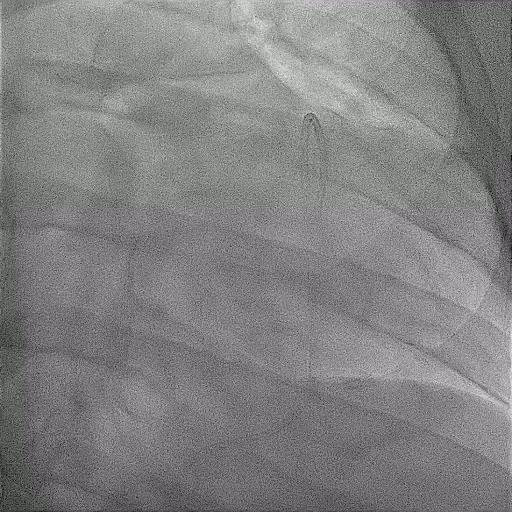
The procedure may be planned or done urgently, but is almost always performed in the catheterisation laboratory. The skin and deeper tissues are numbed thoroughly with local anaesthetic and a sedation is given. A needle is used to gain access to the fluid, whereafter a soft tube is placed to drain the fluid. The tube is stitched in place and connected to a bag and kept overnight. You may feel pressure or discomfort, but should not have significant pain.
What to expect afterwards
Most people feel better very quickly. After the fluid has been removed, treatment focuses on the underlying cause, which may involve antibiotics, anti-inflammatory medication or even cancer care. If the fluid keeps coming back, a surgical procedure may be necessary.
Possible complications
Serious complications are uncommon, but they can occur. The needle can injure the heart muscle or a coronary artery around the heart, causing bleeding that occasionally needs emergency surgery. Other possible complications are heart rhythm disturbances or liver injury.
This information does not replace a consultation. Please discuss your own risks and options with your cardiologist.